

Pro Mahjong Kiwame Plus II
Use GameFinder to decide whether this is worth tracking, wishlisting, or skipping for now.
GameFinder take
Track this one before you buy
There is not enough live price signal yet. Save it, track it, and let GameFinder tell you when it becomes worth it.
GameFinder take
Track this one before you buy
There is not enough live price signal yet. Save it, track it, and let GameFinder tell you when it becomes worth it.

About This Game
The pitch
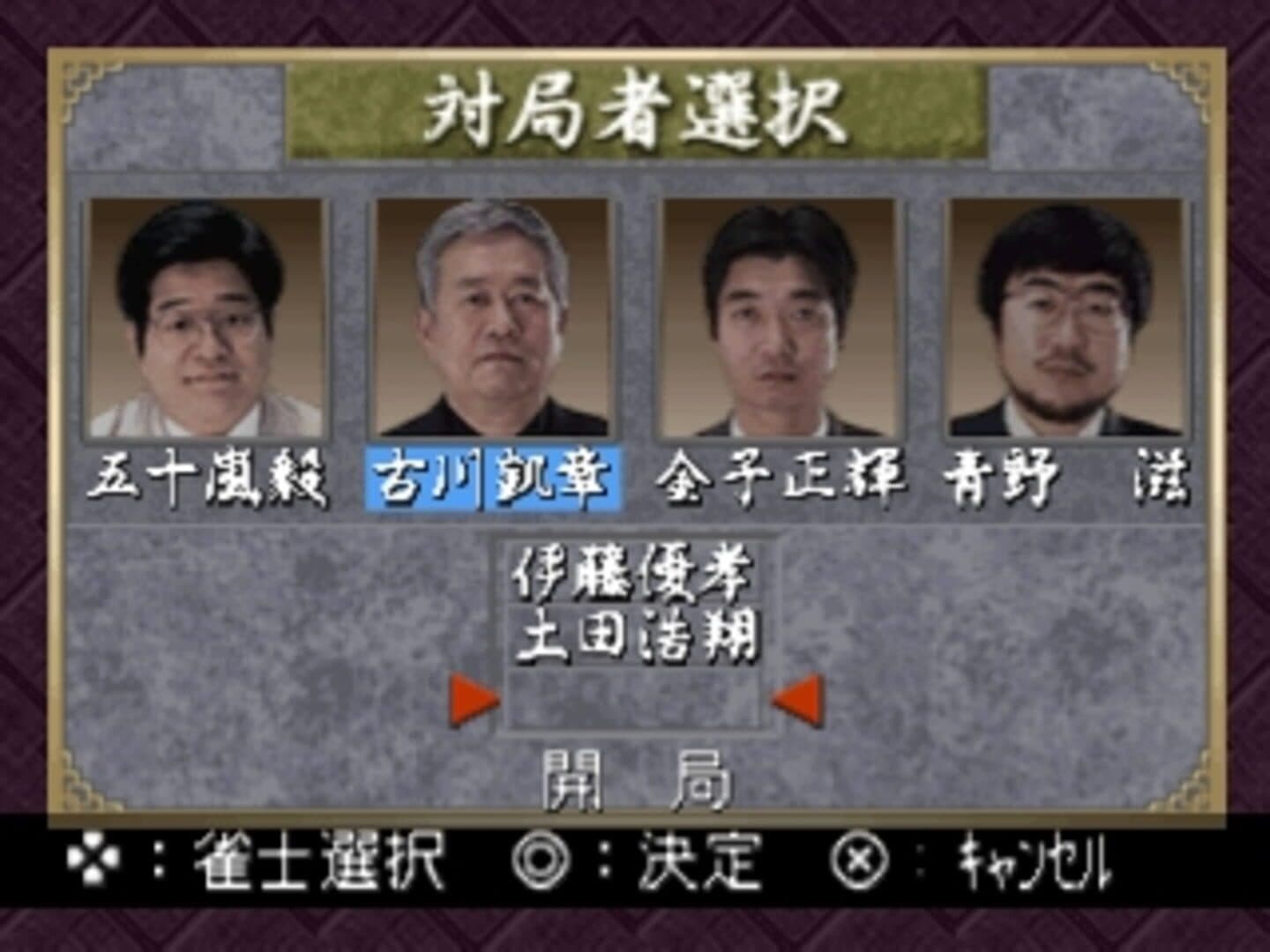
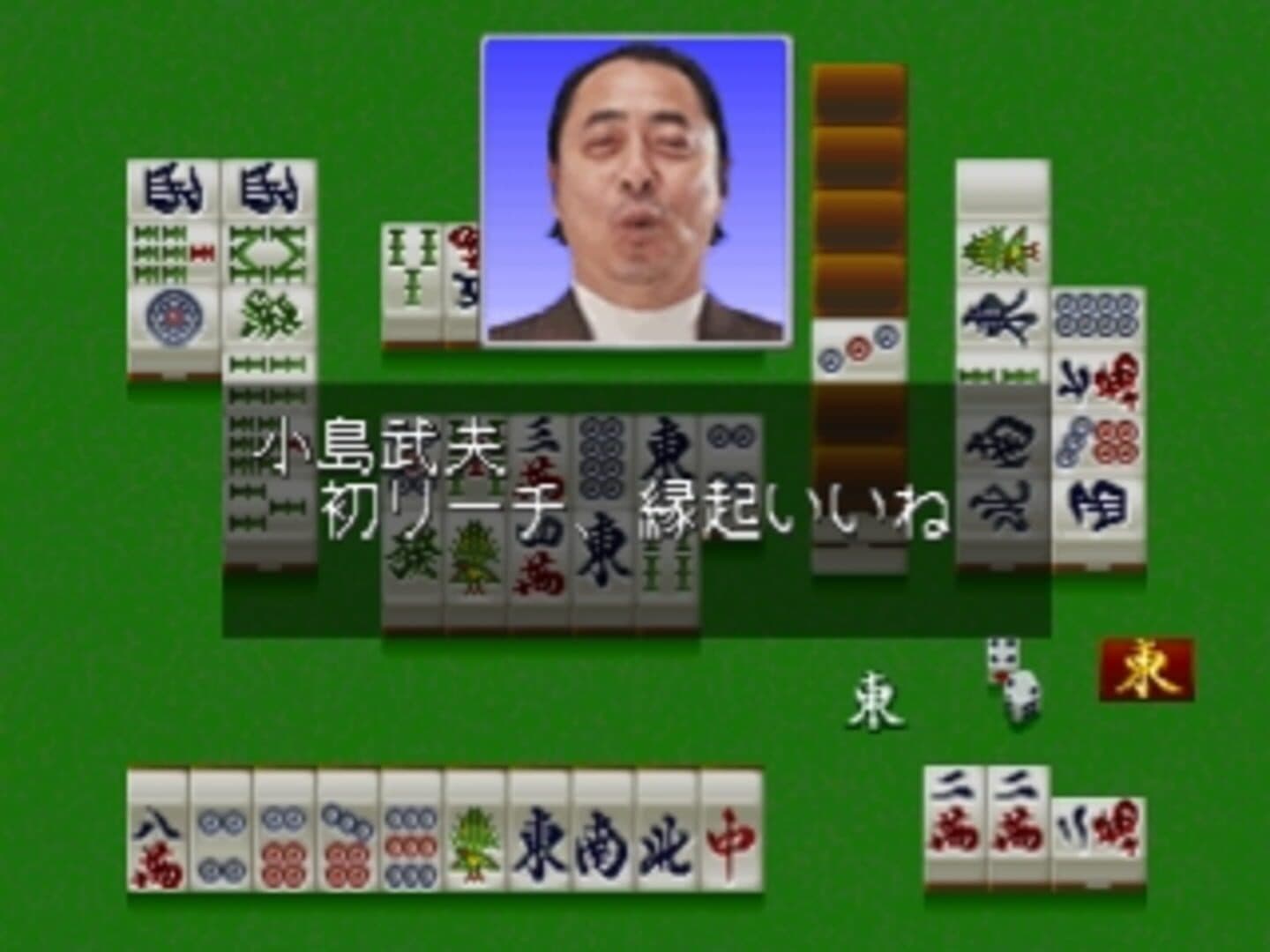
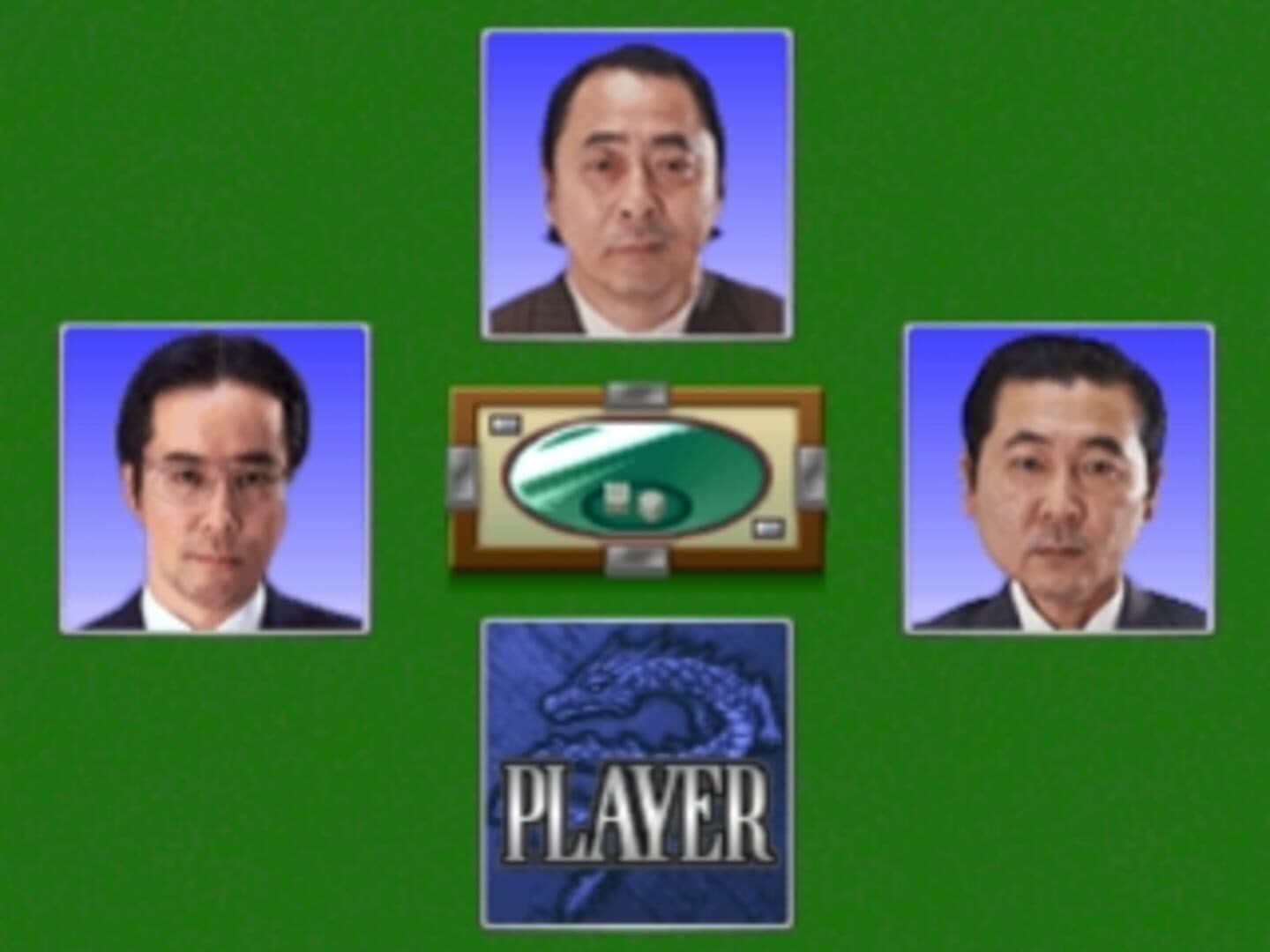
Pro Mahjong Kiwame Plus II is a mahjong game and is the second game in the series released for the Playstation One console. The game features 16 different real mahjong players as opponents and the game mode is a 4 player vs mahjong.
Best for
Card & Board Game fans • players into Non-fiction
Right now
There is no strong live price signal on the page right now, so tracking makes more sense than rushing.
Standout signal
Expect a mix of Non-fiction.
Pro Mahjong Kiwame Plus II is a mahjong game and is the second game in the series released for the Playstation One console. The game features 16 different real mahjong players as opponents and the game mode is a 4 player vs mahjong.
The game got 3 game modes: Professional, Gamble & Training. Mahjong is a game for four players that originated in China. It was called, meaning sparrow in ancient China, which is still the name most commonly used in some southern Chinese dialects such as Cantonese and Minnan, as well as in Japanese. However, most Mandarin-speaking Chinese now call the game má jiàng. Mahjong involves skill, strategy, and calculation, as well as a certain degree of luck (depending on the variation played, luck can be anything from a minor to a dominant factor in winning). In Asia, mahjong is also popularly played as a gambling game. In the game, each player is dealt either thirteen or sixteen tiles in a hand, depending on the variation being played. On their turn, players draw a tile and discard one, with the goal of making four or five melds (also depending on the variation) and one pair, or "head". Winning comes "on the draw" by drawing a new or discarded tile that completes the hand. Thus, a winning hand actually contains fourteen (or seventeen) tiles.
What stands out
Make the decision faster
Use AI for the actual question you have right now, not a generic game summary.
Price History
Similar Games
If this one is close but not quite right, start here.
Simple 1500 Series Vol. 43: The Hanafuda 2
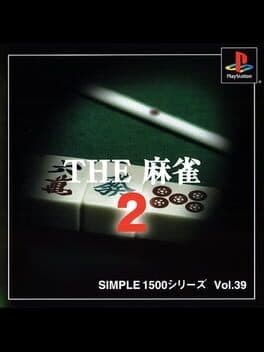
Simple 1500 Series Vol. 39: The Mahjong 2

Pro Mahjong Kiwame Tengensenhen
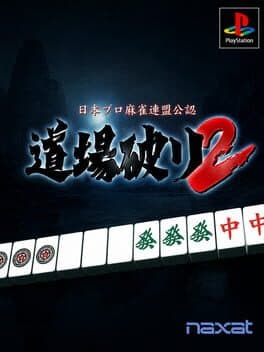
Nippon Pro Mahjong Renmei Kounin: Dojo Yaburi 2

Simple 1500 Series Vol. 88: The Gal Mahjong
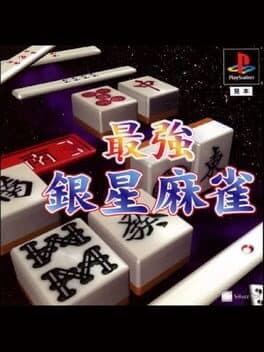
Saikyou Ginsei Mahjong